Renting an ada available portable restroom audios straightforward until you are the individual in charge of obtaining it right. That may be a site manager preparing a public event, a property owner managing overflow groups, or an operations lead attempting to make sure visitors are not left browsing obstacles that ought to never have actually been there in the first place. In technique, access is not a cosmetic upgrade. It becomes part of basic accessibility, standard dignity, and fundamental lawful compliance.
The federal starting factor in the United States is the 2010 ADA Standards for Accessible Style. Those standards, as translated by the Department of Justice and the Accessibility Board, form what counts as certified when portable restroom systems are offered public usage. That issues due to the fact that many people still assume that renting out one bigger portable device immediately addresses the trouble. It does not. Dimension alone is not the test. Placement, route, access, steering area, and component clearances all matter.
I have actually seen this misinterpreted in ways that seem little on paper but are a real issue on the ground. A vendor might deliver an ada portable restroom and place it at the far edge of a grassy field that turns muddy after one rain. A celebration may purchase a compliant device however stop working to provide a course a wheelchair individual can in fact travel. A construction-adjacent public occasion might mix staff presumptions from jobsite practices with public-facing policies. None of that assists the individual that shows up anticipating access and finds a barrier instead.
The first conformity concern is straightforward: that is making use of the units?
For public services, the ADA availability rules are very much in play. If you are leasing portable toilets for an occasion, a momentary celebration, or an additional setting where the general public will use them, accessibility is not optional. The standards need easily accessible units and the technical information that make those units usable.
There is one slim distinction worth understanding because it triggers complication. The ADA standards have actually dealt with mobile commode devices on building sites in different ways when they are made use of solely by building and construction personnel. That is not the same point as a portable toilet financial institution serving event guests, clients, tenants, visitors, or combined individuals. The moment individuals begin applying a construction-only exception to a general rental scenario, blunders adhere to quickly.
That distinction issues because people frequently make use of the expression ada certified mobile toilets freely, as if it describes any larger trailer-style or single-user device. It does not. The actual concern is whether the rental circumstance falls under the public-facing access demands, and whether the unit and its installment fulfill those requirements.
How many easily accessible units are required
One of the clearest guidelines is likewise one of one of the most typically missed. When you have a collection of portable single-user bathroom systems, at least 5 percent of the devices in that cluster must come. The Access Board has actually made clear that this uses even at short-term events.
That 5 percent guideline catches planners off-guard due to the fact that momentary arrangements tend to be dealt with as less formal. A one-day show, a weekend break event, a seasonal fair, or a pop-up neighborhood occasion might feel improvisated, however the accessibility assumption does not go away due to the fact that the occasion is short. Short-lived does not imply exempt.
If you are handling quantities, this is one of the first computations to make, not one of the last. Waiting till delivery day to ask whether an ada mobile toilet rental is included is just how companies wind up scrambling. From a procedures standpoint, it is much less complicated to bake accessibility right into the rental order from the beginning than to try to resolve it after units are currently staged.
What makes an accessible portable unit greater than simply "the larger one"
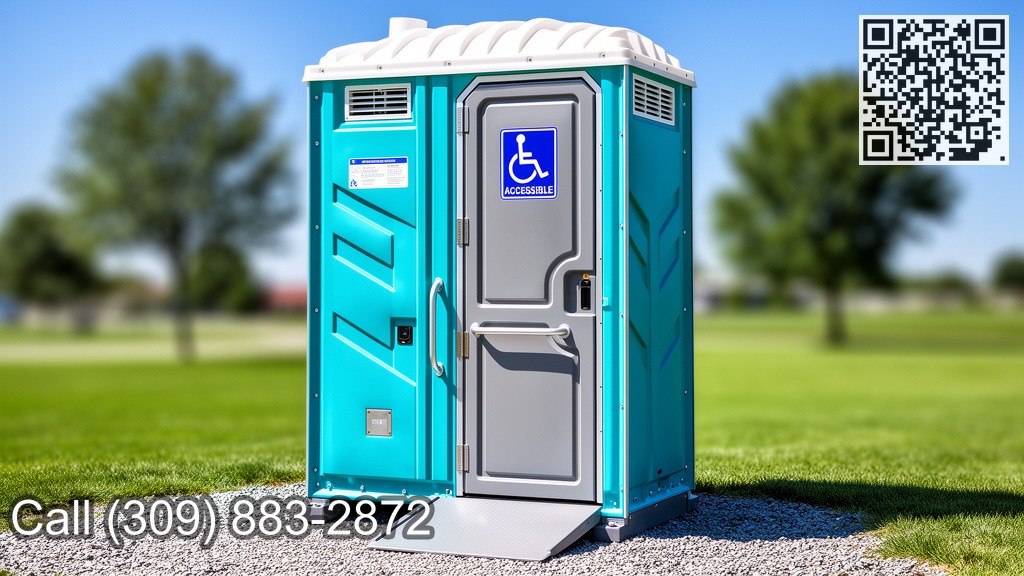
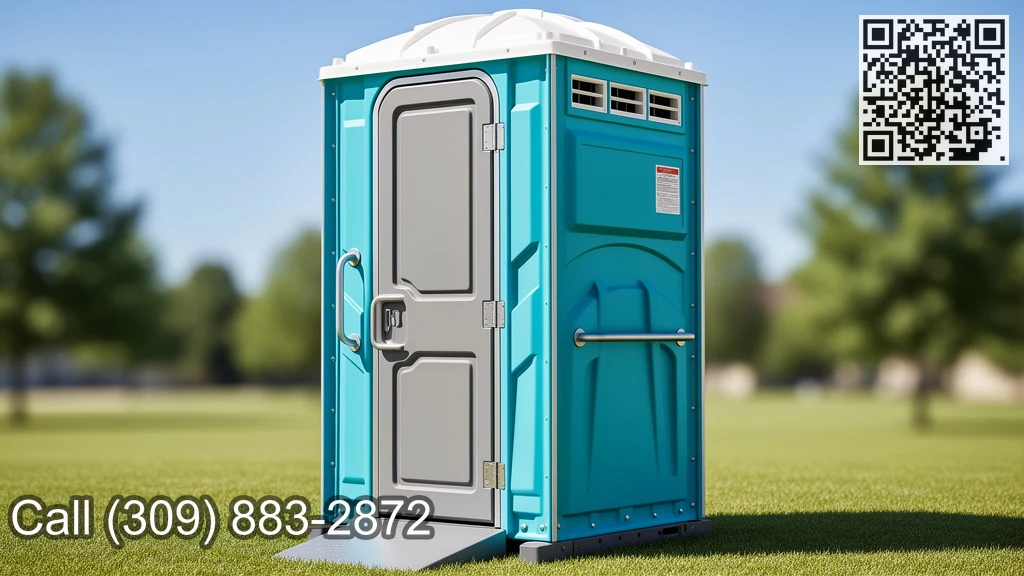
People frequently recognize an ada compliant mobile toilet by look prior to they understand the legal and useful features that matter. Yes, easily accessible units are frequently larger. That extra room exists for a factor. The standards call for technical features linked to real usage, not just a larger shell.
The crucial issues include transforming room inside the device, door navigating clearances, fixture clearances, and the applicable water-closet and grab-bar rules. Those phrases can seem completely dry until you imagine the user experience. Someone using a mobility device needs space not only to enter but also to position, transform, and use the fixture safely. A person who needs grab bars relies upon them being positioned according to the suitable requirements, not any place a manufacturer assumed looked sensible. Someone with limited flexibility may require door steering room that a confined placement outside the unit can destroy.
This is why the expression ada-compliant mobile toilet ought to be treated thoroughly. It is a helpful shorthand, however it only implies something if the unit really pleases the suitable technical demands and is installed in a manner that maintains access.
The path to the toilet becomes part of compliance
A portable bathroom can be obtainable theoretically and hard to reach in reality. The route is commonly where that space opens up.
The Gain access to Board guidance is clear that portable accessible units have to have an accessible path and entryway. If ramps or landings are needed, those likewise have to adhere to ADA technological requirements. That implies accessibility can not stop at the parking area, the pathway edge, or the event gateway. The course right to the device matters.
This is where real-world judgment comes in. On a hard, level led surface area, creating an obtainable path may be fairly uncomplicated. On unequal ground, sloped terrain, soft grass, or a short-term occasion impact that alters throughout the day, keeping that path can be much harder. A route that operates at 8 a.m. Can end up being rutted or blocked by noon if solution cars, fence, cable televisions, or crowd-control tools creep right into the path.
I have actually seen organizers genuinely believe they were certified since they rented out the appropriate ada handicap accessible portable restroom, just to threaten that initiative by situating it behind barriers or at the end of an improvised gravel path. That type of setup may look appropriate from 10 feet away, however it fails the person who in fact requires to make use of it.
Identification is not a minor detail
Accessible mobile bathroom units must be related to the International Symbol of Accessibility. This need issues for functional factors as much as legal ones.
When people are scanning a row of units in a crowded, noisy setup, identification helps them find the obtainable option without needing to examine every door. It also signifies that the device is intended to serve individuals that need those functions, rather than requiring individuals right into uncomfortable conversations with personnel or security regarding where they are meant to go.
That said, signage alone does not repair poor preparation. An ada certified obtainable mobile restrooms order can still create obstacles if the icon is present but the route is not, or if the system is practically easily accessible however separated in such a way that makes it more challenging to get to than the standard units. Recognition is needed, but it is not the whole job.
Why positioning decisions make or damage compliance
Placement is where certified leasings usually do well or fall short. The ADA structure does not simply respect the inside of the device. It likewise appreciates easily accessible entry and the problems around the unit.
That means a supplier and occupant must be considering where the unit rests, exactly how an individual approaches it, whether there is enough clear location to navigate at the entrance, and whether any kind of required ramp or landing satisfies the technical criteria. In a crowded occasion layout, the temptation is to put the bigger system off away due to the fact that it uses up even more space. Operationally, that might really feel reliable. From an access viewpoint, it can develop needless separation or a more difficult route.
There is also a common staffing problem. The washroom layout gets attracted early, then altered late as a result of secure fencing, food suppliers, stage devices, or utility disputes. If nobody reconsiders the easily accessible course after those adjustments, the ada compliant mobile restrooms may still get on site yet no more reachable in a compliant means. The issue is not the item. It is the final setup.
Temporary occasions still need irreversible thinking
One reason access obtains messed up in mobile sanitation preparation is that short-lived occasions urge temporary thinking. Groups concentrate on group flow, delivery home windows, clean-up timetables, and budget. Those are real pressures. Yet availability can not be the variable that gets squeezed whenever the site obtains tight.
The Access Board has particularly said the 5 percent accessible-unit requirement applies also at short-term events. That point is worth duplicating due to the fact that it cuts versus a stubborn myth that one- or two-day installations in some way sit outside the common policies. They do not.
This broader compliance setting is just ending up being extra energetic. Recent ADA-related advice in various other areas, including web and mobile access for state and local government entities, shows continued enforcement attention across sectors. While washroom leasings and electronic ease of access are really different problems, the functional takeaway is comparable: availability is not drifting right into the background. It is moving further right into conventional conformity expectations.
For companies, that implies bathroom preparation should be managed with the very same severity as permits, insurance, and life safety and security planning. Not because it is troublesome, however since it influences whether individuals can participate on equivalent terms.
Common mistakes that trigger trouble
Even conscientious teams make avoidable mistakes. The pattern is normally okay intent. It is fragmented duty. Someone orders the units, another person marks the site, and a third person manages event-day procedures. When nobody has the availability information finish to end, spaces show up.
Here are a few trouble areas that are worthy of an added appearance:
- assuming one huge mobile unit immediately pleases ADA requirements forgetting the 5 percent accessible-unit rule for a cluster of single-user mobile toilets placing the easily accessible device on a course that is not actually accessible overlooking door handling area or exterior touchdown conditions failing to identify the device with the International Icon of Accessibility
Each of those blunders has an acquainted feel in the field. They occur when availability is treated as a box to check as opposed to an usage problem to verify. If a person can not easily locate, get to, enter, and use the device, the configuration is refraining from doing what it should.
Talking with vendors without obtaining shed in jargon
Portable sanitation suppliers listen to numerous variations of the same request. "We require one handicap unit." "Give us the larger porta potty." "Add an ADA toilet." Those phrases are common, yet they are not exact sufficient on their own.
It aids to speak in terms of the real need. If you are arranging an ada mobile bathroom rental, ask whether the systems being given are accessible under the suitable ADA standards, whether they carry the appropriate availability identification, and what conditions are required on site for compliant placement and entry. The rental business might be accountable for supplying the device, while the renter might be accountable for the path, last place, and bordering site conditions. That division of responsibility is exactly why these discussions need to occur early.
The expression ada-compliant mobile restrooms serves when contrasting choices, however it ought to open a useful discussion as opposed to finish one. A compliant system can be threatened by a noncompliant website configuration, and a good site strategy can be threatened by purchasing the incorrect system count.
A useful means to assess the arrangement before opening
The best last-minute guard is a basic on-site walkthrough. Not a documents testimonial, a real physical check. Begin where a visitor or guest would start, then relocate completely to the restroom as that individual would.
A short evaluation need to validate four things:
- the required easily accessible systems exist in the cluster the devices are noted with the ease of access symbol the route and entrance come, consisting of any kind of ramps or landings that are needed the final positioning preserves useful method and door maneuvering space
That walkthrough sounds noticeable, however it catches the mistakes that drawings miss. A path that looked clean on a map might be obstructed by stanchions. A touchdown may be partially occupied by garbage can. A delivery truck may have moved the unit slightly onto a less secure surface area. These are ordinary event-day problems, which is exactly why the check matters.
Understanding what the requirements do and do not tell you
The confirmed federal structure offers a clear conformity base. It tells you that accessible mobile units are called for in appropriate public settings, that a minimum of 5 percent of units in a cluster of portable single-user toilets have to be accessible, that those units require appropriate recognition, which route, entryway, transforming space, clearances, and relevant grab-bar and water-closet guidelines matter.
What it does refrain from doing is fix every field condition for you. It does not tell you which side of a celebration ground will certainly stay driest after rain. It does not tell you whether a late site redesign has endangered maneuvering clearances. It does not tell you whether your group has mistakenly treated a public-facing configuration as if it were a construction-only arrangement. Those calls require focus and judgment.
That is where experience shows. Individuals who handle ada compliant portable toilet intending well generally do a couple of points differently. They calculate obtainable quantities early. They collaborate with the supplier before delivery, not during positioning. They evaluate the route personally. And they withstand the urge to press the obtainable unit to whatever remaining area remains after every little thing else is laid out.
Why considerate planning issues as high as compliance
There is a lawful side to all of this, and it ought to be taken seriously. There is likewise a human side that deserves equal weight. Restroom access forms whether people really feel anticipated, welcome, and able to remain. When it is taken care of improperly, the message is instant: access was an afterthought.
That lands hardest in settings that are intended to be common. A community event, a public market, a family gathering area, a civic occasion, or a seasonal attraction needs to not compel anyone to https://pristineportablesil.com/service-area-moline/ discuss standard accessibility as an unique support. When an ada available mobile restroom is intended appropriately, individuals often do not discuss it since that is the factor. It works quietly. It exists when needed. It does not transform a basic restroom trip right into a logistical problem.
For drivers, there is also peace of mind in doing this right. You are not thinking. You are not wishing a wide tag like ada portable toilet covers details that were never checked. You are aligning the rental, the amount, and the placement with what the requirements in fact require.
The terms individuals utilize, and what truly matters
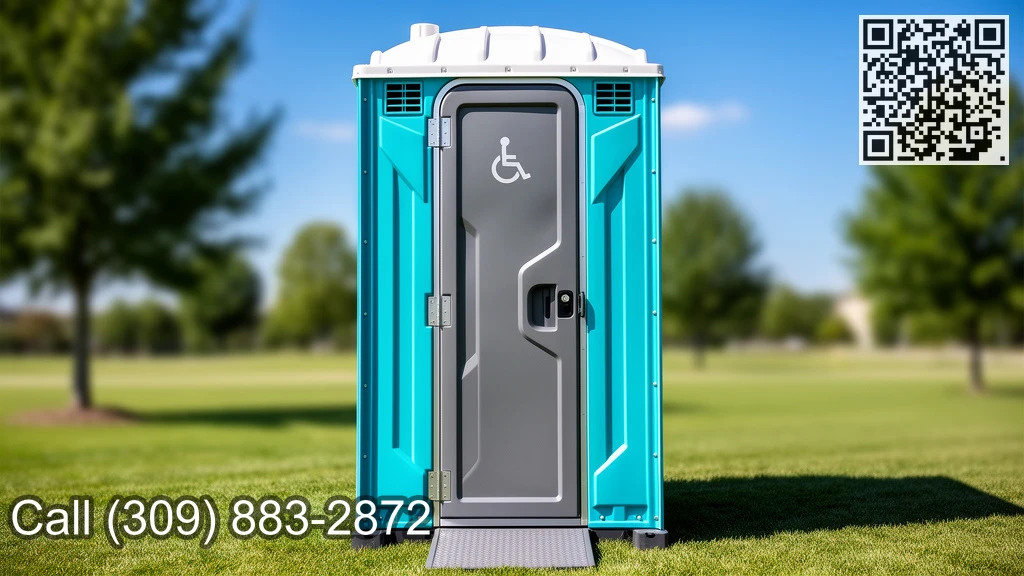
Search terms vary. Some people request for an ada certified mobile toilet, others for ada certified portable toilets, and others for ada-compliant mobile restrooms or an ada portable restroom Those differences in wording are not very crucial. What issues is whether the system and the site configuration please the controling ease of access requirements.
That is particularly true when numerous events are entailed. A location manager might make use of one phrase, an event manufacturer one more, and the sanitation firm a 3rd. None of those labels is as important as validating the exact same underlying points: the ideal number of obtainable systems, correct identification, an accessible route and entrance, and compliance with the suitable toilet-room technical needs inside the unit.
If you keep those essentials in sight, the terminology comes to be much less intimidating. The compliance path is not strange. It simply needs attention to the details that directly affect whether an individual with a special needs can use the toilet with the exact same standard convenience and self-respect as everyone else.
Getting the essentials right from the start
If there is one lesson that comes up time and again with ada mobile commode requirements, it is that early decisions are the easiest ones to control. Once systems are delivered and crowds arrive, every modification gets more challenging. Amounts end up being hard to change, courses end up being constrained, and website teams start resolving one issue by creating another.
By comparison, when availability is addressed at the start, the process normally runs even more efficiently for everybody. The order mirrors the 5 percent policy where it uses. The supplier understands obtainable devices are needed. The site strategy protects the route and entry. The system is recognized properly. The last setup supports actual use, not simply nominal compliance.
That is the basic to go for with any ada certified easily accessible mobile restrooms service. Not a triviality, not a visual approximation, and not a last-minute spot. Simply a configuration that works, due to the fact that it was intended to work.
 Ask ChatGPT
 Ask Grok
 Ask Perplexity
 Ask Claude
 Ask Google AI
 Ask You